Rainfall
Highly variable
Dry woodland to wetter tropical habitats

Ximenia americana
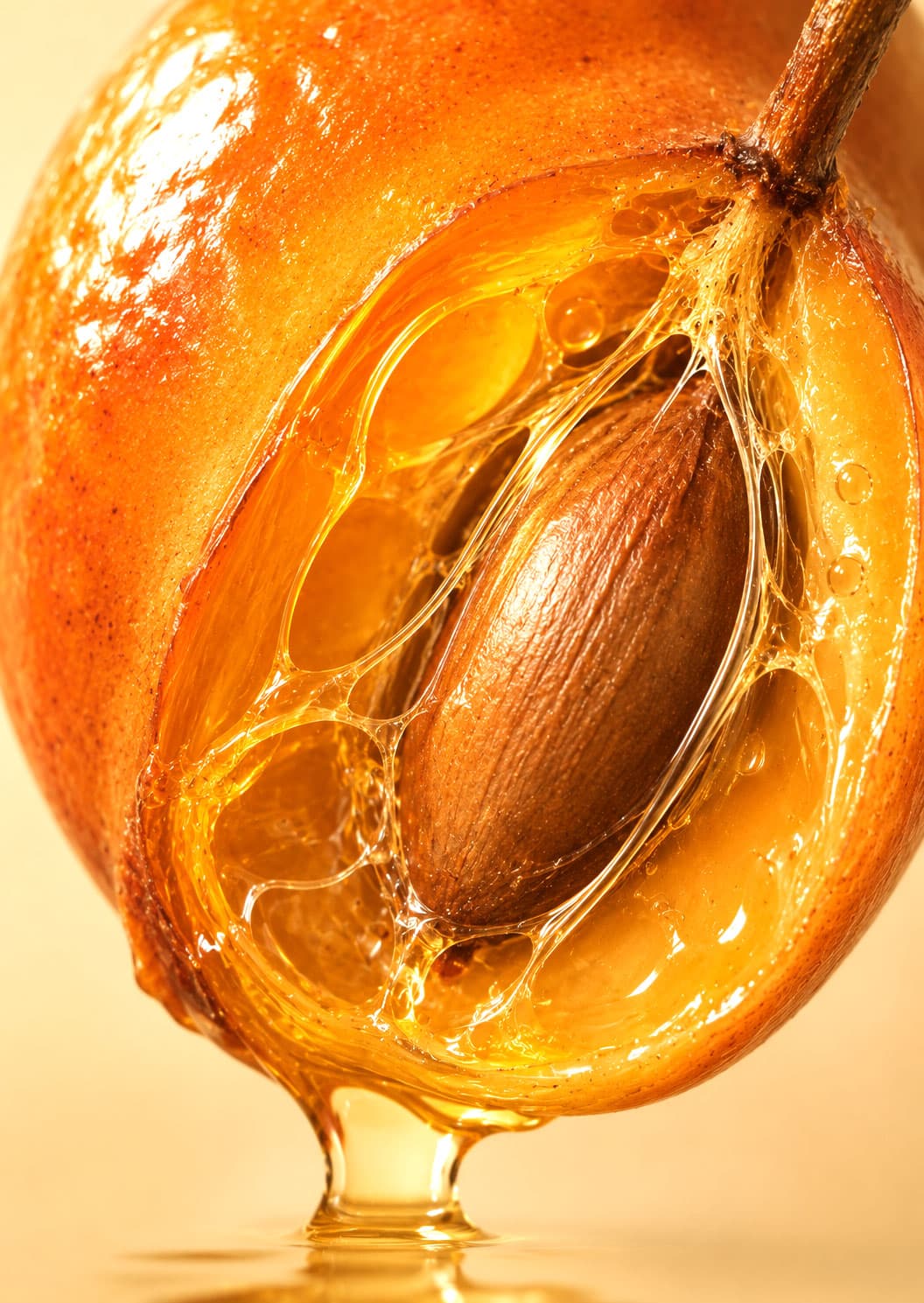
A widespread dry-country shrub with semi-parasitic roots, edible fruit and a seed oil rich in unusually long-chain fatty acids.
Family · Olacaceae
Distribution
Ximenia americana extends across the tropics and subtropics worldwide. Southern Africa is one important part of its range, not its complete distribution.[1]
Climate
Rainfall
Highly variable
Dry woodland to wetter tropical habitats
Temperature
Tropical–subtropical
No single useful species-wide band
Altitude
Broad elevation range
A global species; local populations differ
Its global distribution makes one climate average especially misleading; dry woodland, bushland and coastal populations differ.[1]
Harvest season
Flowering and fruiting vary across the species’ enormous range. Any commercial harvest calendar should name the country and population rather than repeat a universal season.[1]
Sustainability
A wide global range does not answer how a particular fruit or seed harvest affects regeneration. Provenance, local abundance and access agreements remain essential.[1]
Chemical composition
Values refer to the Angolan oil sample described in the cited study. Long-chain fatty acids overlap with, rather than add to, the individual percentages shown.[2]
Wildlife interactions
Fleshy fruits invite birds and mammals to feed and move seeds. The shrub can also connect below ground through partially parasitic root relationships with neighbouring plants.[1]
Traditional relationships
The cited study reports use of ximenia oil by local populations in Angola to smooth and hydrate skin and condition hair. It does not claim the same practice everywhere the plant grows.[2]
The long-chain profile and measured viscosity help explain ximenia oil’s distinctive spread and persistent skin feel.[2]
The study examined chemistry, UV transmission, viscosity and keratinocyte viability. It did not run a controlled human skincare efficacy trial.[2]
References
Reviewed 19 September 2026. Botanical ranges and research conclusions may change as records improve.
Cite this page
Maru Skincare™ (2026). Ximenia (Ximenia americana). African Desert Botanical Atlas. Reviewed 19 September 2026.
https://maruskincare.com/za/botanical-atlas/ximenia
Permanent page link ↗From the Atlas to the bottle
This botanical is part of the Maru range. Read how the ingredient behaves on skin, or explore the body oils it lives in.