Rainfall
200–1,000 mm/yr
Reported suitable range

Schinziophyton rautanenii
A Kalahari-sand woodland tree whose fruit has fed people and wildlife for generations—and whose kernel oil contains an unusual conjugated fatty acid.
Family · Euphorbiaceae
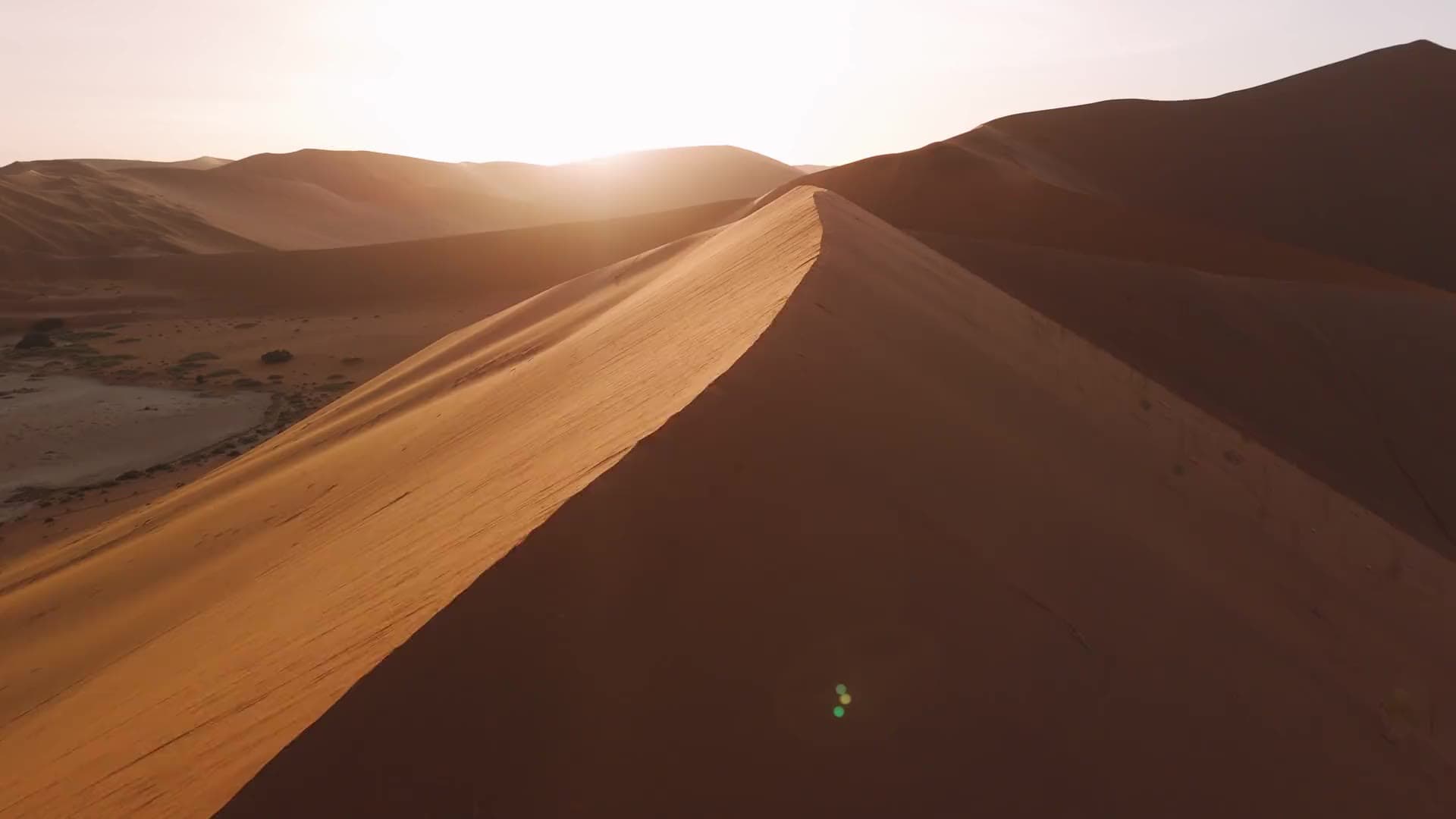
Included as an independent Atlas botanical; this profile is not a product announcement.
Climate
Rainfall
200–1,000 mm/yr
Reported suitable range
Temperature
≈20°C mean
Daytime maxima often exceed 30°C
Altitude
200–1,500 m
Reported occurrence range
Deep, freely draining sand is as important to its ecology as the headline climate numbers.[2]
Harvest season
PROTA records green fruit dropping from April–May onward and ripening on the ground. Kernels can then be stored and processed well beyond the fall season.[2]
Sustainability
Commercial value can support livelihoods, but fruit removal, fire, grazing and weak seedling recruitment interact. Sustainable use should preserve household food value and animal access as well as export supply.[4][2]
Chemical composition
The conjugated alpha-eleostearic fraction is unusual. Values vary materially with extraction method and sample.[3]
Wildlife interactions
Elephants and ostriches eat the fruit and may disperse seeds. Antelope and porcupines also move the sweet fruit over shorter distances; elephant digestion may improve germination.[2]
Mongongo oil’s fatty-acid and tocopherol profile supports cosmetic interest, but composition should not be presented as proof of a clinical skin outcome.[3]
The strongest cited work characterises cold-pressed, traditionally extracted and solvent-extracted oils. Controlled human topical research remains a gap.[3]
References
Reviewed 21 July 2026. Botanical ranges and research conclusions may change as records improve.
Cite this page
Maru Skincare™ (2026). Mongongo (Schinziophyton rautanenii). African Desert Botanical Atlas. Reviewed 21 July 2026.
https://maruskincare.com/za/botanical-atlas/mongongo
Permanent page link ↗Connected botanicals