Rainfall
≈110–500+ mm/yr
Kalahari basin gradient, not a species limit

Citrullus lanatus
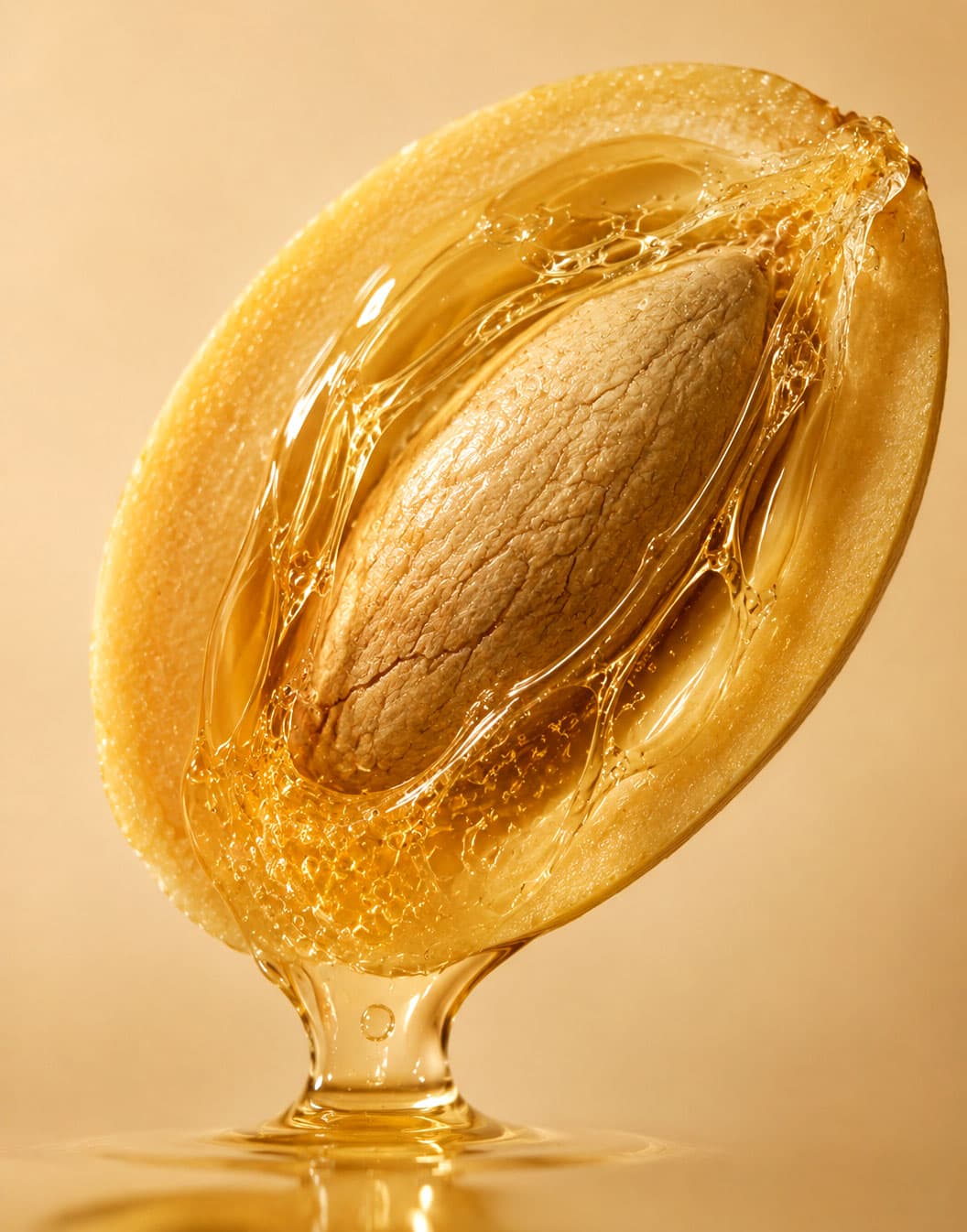
A water-storing melon of sandy country whose seeds carry a linoleic-rich oil and whose taxonomy is more complicated than its popular name suggests.
Family · Cucurbitaceae
Climate
Rainfall
≈110–500+ mm/yr
Kalahari basin gradient, not a species limit
Temperature
Hot summers
Daily extremes can approach 45°C
Altitude
Interior plateau
Varies across the Kalahari basin
These figures describe the Kalahari habitat gradient. Cultivated and wild Citrullus lanatus occur far beyond it.[1][2]
Harvest season
Germination and fruiting follow available warm-season moisture. Harvest timing therefore moves with rainfall rather than following a fixed continental calendar.[1][2]
Sustainability
Local seed melons and extraction knowledge matter alongside commercial oil yield. Treating every Citrullus lanatus population as interchangeable can erase useful landrace and provenance differences.[2]
Chemical composition
Values come from the oil used in one topical study; Namibian samples in a separate study produced a different profile.[3]
Wildlife interactions
Water-rich fruits can be eaten by livestock and wildlife in dry landscapes, moving seeds and turning a seasonal vine into part of a broader food web.[1]
Its high linoleic proportion helps explain why formulators use it to lighten richer oil blends while maintaining emollience.[3]
A short study in 20 healthy women reported non-irritancy, reduced transepidermal water loss and increased moisture retention. It is useful human evidence with a limited sample and duration.[3]
References
Reviewed 21 July 2026. Botanical ranges and research conclusions may change as records improve.
Cite this page
Maru Skincare™ (2026). Kalahari Melon (Citrullus lanatus). African Desert Botanical Atlas. Reviewed 21 July 2026.
https://maruskincare.com/za/botanical-atlas/kalahari-melon
Permanent page link ↗From the Atlas to the bottle
This botanical is part of the Maru range. Read how the ingredient behaves on skin, or explore the body oils it lives in.
Connected botanicals