Rainfall
Very low and irregular
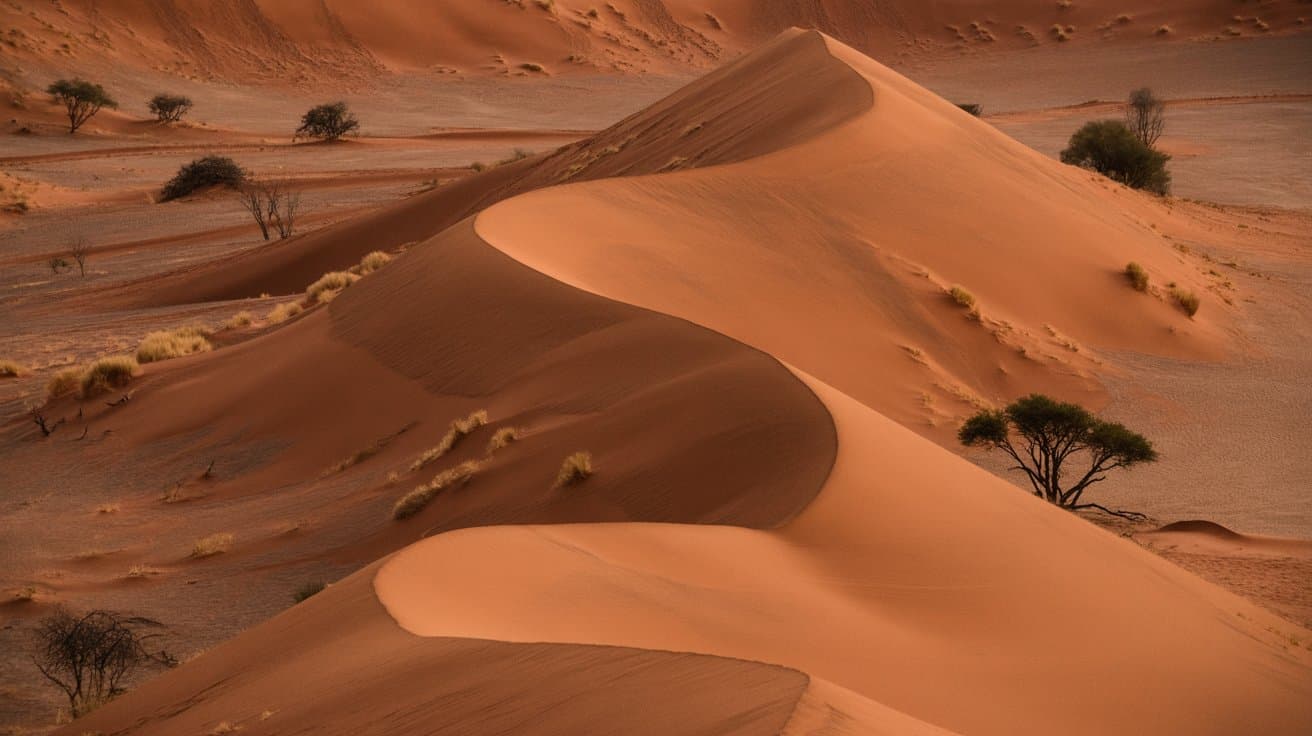
Desert to semi-desert rainfall regimes

Hoodia gordonii
A lesson in desert convergence, fly pollination, Indigenous knowledge, bioprospecting and why commercial fame is not the same as strong evidence.
Family · Apocynaceae
Included for botanical education. This plant is not used in MARU formulations.
Climate
Rainfall
Very low and irregular
Desert to semi-desert rainfall regimes
Temperature
Large daily swings
Hot days; cold desert nights
Altitude
Variable interior terrain
No responsible single band in the cited profiles
The source profiles describe biome and range more reliably than one universal climate average, so false precision is avoided here.[1][2]
Harvest season
SANBI lists spring flowering. Other botanical records place flowering around August–September and paired seed follicles around October–November, with timing shifting across the range.[2]
Sustainability
Kew records pressure from wild collection, grazing and horticultural demand. Hoodia trade is regulated, and ethical use must include permits, cultivation or verified harvest, and benefit-sharing—not only species identification.[1][3]
Wildlife interactions
Traditional relationships
SANBI records uses among Anikhwe, Haiǁom, Khomani, !Xun and Khwe communities. Those records should not be collapsed into an anonymous ‘African appetite suppressant’ story.[3]
Commercial development initially moved ahead without recognising San knowledge holders. A later agreement created benefit-sharing arrangements and remains an important bioprospecting case study.[3][1]
Hoodia is included to teach ecology, ethics and evidence. It is not used by MARU, and this Atlas found no basis to position it as a modern skincare ingredient.[4]
In a 49-person controlled oral trial, purified Hoodia extract did not significantly reduce energy intake or body weight and produced poorer tolerability plus adverse changes in several measurements.[4]
References
Reviewed 21 July 2026. Botanical ranges and research conclusions may change as records improve.
Cite this page
Maru Skincare™ (2026). Hoodia (Hoodia gordonii). African Desert Botanical Atlas. Reviewed 21 July 2026.
https://maruskincare.com/za/botanical-atlas/hoodia
Permanent page link ↗Connected botanicals